
Ntungamo District Commissions Modern Cold Chain Facility to Boost Agriculture
By Anthony Kushaba
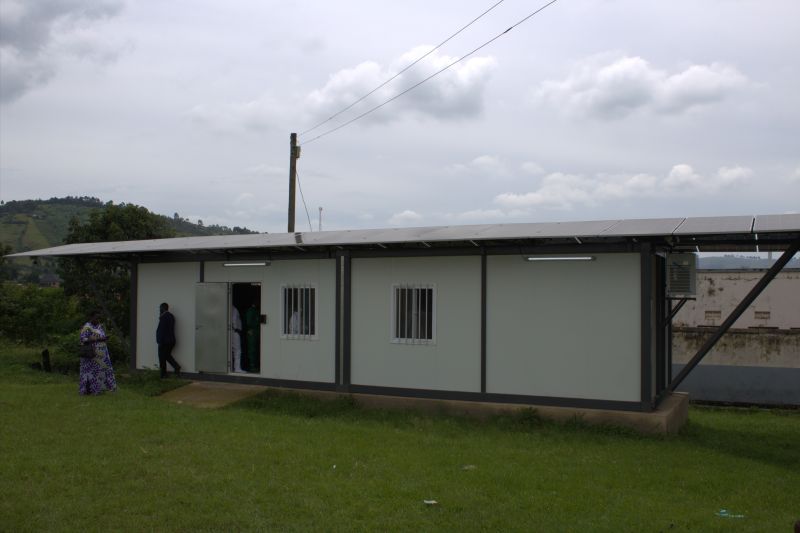
Ntungamo, Uganda — April 30, 2026 Ntungamo District leaders have commissioned a state-of-the-art Cold Chain Facility designed to store agricultural and veterinary vaccines, marking a major step in efforts to improve productivity and strengthen extension services across the district.
At the commissioning ceremony held at the district headquarters, leaders also handed over five beehives, honey harvesting equipment, 10 sprayers, and three motorcycles to support agricultural and veterinary extension work.
Resident District Commissioner (RDC) Miriam Mugisha Kagaiga cautioned beneficiaries against selling or misusing government-provided equipment, stressing that the resources are intended to improve livelihoods and boost production. She warned that anyone found selling beehives, sprayers, or other items would face legal action, noting that the equipment is meant to benefit both individual farmers and the wider community.
LC5 Vice Chairperson Asuman Kigongo urged extension workers to use the motorcycles effectively to reach farmers in remote villages and provide timely technical support. He emphasized that regular consultations with farmers help government identify challenges affecting production and design appropriate interventions to increase yields and improve household incomes. Kigongo added that extension workers are required to submit monthly reports to their heads of department to ensure accountability and improve service delivery.
District Veterinary Officer Dr. Yake Basulira explained that the items were procured using the Capital Development Fund to strengthen government support to farmers. He underscored the importance of veterinary officers visiting livestock farmers regularly, especially during the ongoing Foot and Mouth Disease quarantine, to monitor animal health and provide guidance.
Dr. Basulira highlighted the significance of the newly commissioned Cold Chain Facility, which has the capacity to store up to 1.5 million doses of vaccines. The facility includes a refrigeration unit capable of preserving between 30,000 and 60,000 frozen doses, an office, and a solar-powered room to ensure reliable energy supply. He noted that the facility will reduce vaccine wastage caused by poor storage and expiry, ensuring timely vaccination of animals and proper handling of agricultural inputs.
District leaders emphasized that continued investment in agriculture is aimed at improving harvests, enhancing product quality, reducing disease outbreaks, and increasing farmers’ incomes through sustainable sensitization and farmer education programs across coffee farms, fish ponds, and cattle farms.